 Supplements
Vitamin C
Vitamins
An antioxidant vitamin important for immune function and tissue repair. Diets rich in vitamin C (from fruits and vegetables) are linked to lower risk of some cancers, though supplements have not been proven to prevent cancer.
- Supports immune defenses and collagen for wound healing.
- Populations eating plenty of vitamin C-rich produce show lower rates of stomach and some digestive cancers.
- Acts as an antioxidant, helping protect cells from everyday oxidative stress.
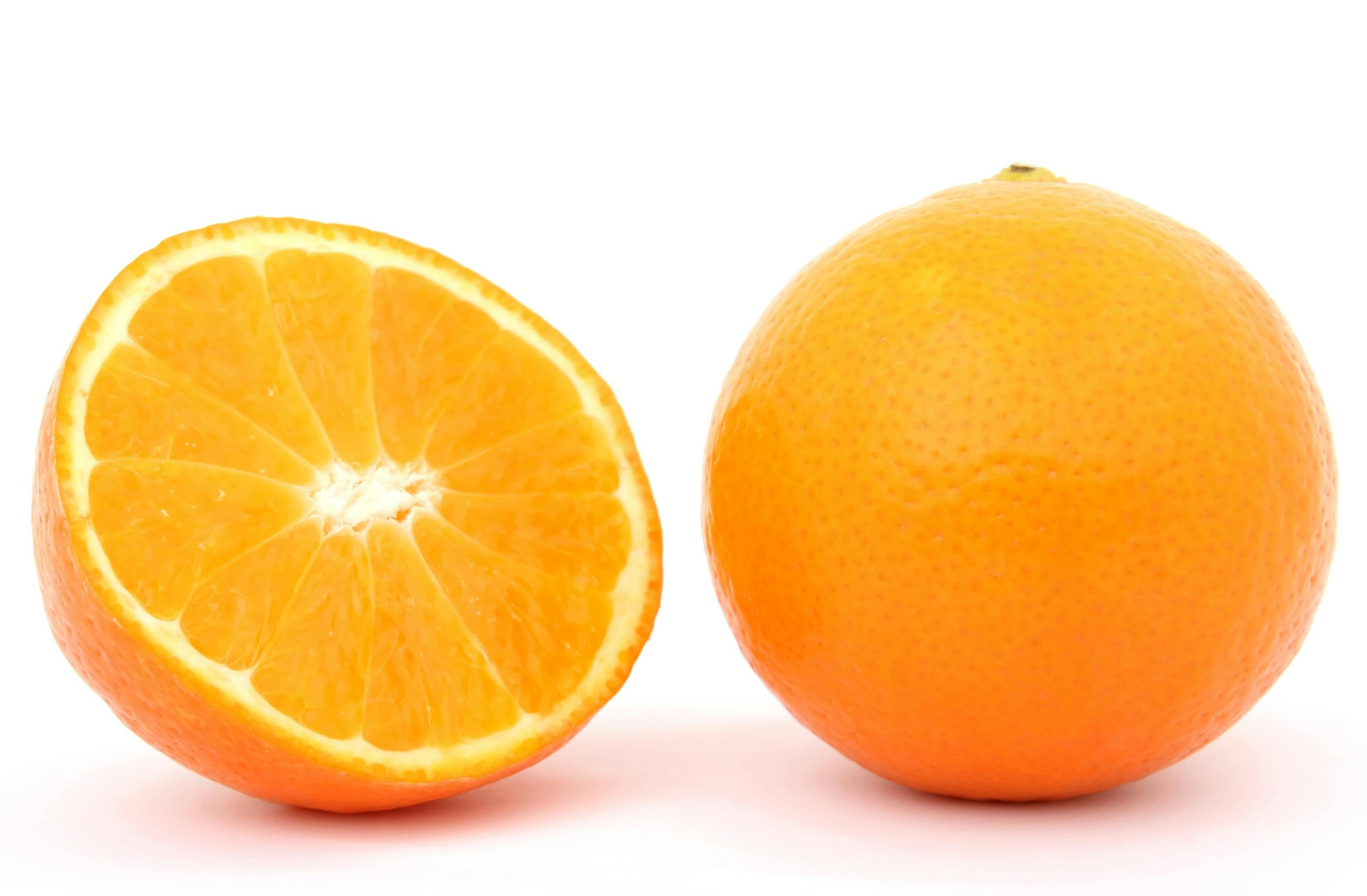
Best obtained from citrus, berries, peppers and leafy greens. If intake is low, a modest supplement (up to ~500 mg/day) can fill the gap.
High-dose supplements may cause stomach upset or kidney stones and can interfere with some chemo/radiation — check with your team. Note: high-dose IV vitamin C is a separate medical therapy, not the same as oral vitamin C.
Learn more from trusted sources
- American Cancer Society — NutritionEating well during and after cancer treatment.
- American Institute for Cancer Research (AICR)Evidence-based cancer-prevention diet and lifestyle guidance.
- National Cancer Institute — NutritionNutrition in cancer care (U.S. NIH).
- World Cancer Research Fund (WCRF)Global research on diet, activity and cancer.
- Cancer Research UK — Diet & CancerManaging diet and eating problems during treatment.
This information is educational and may support wellbeing — it is not medical advice and never a promise of a cure. Always consult your oncology care team before changing diet, supplements, or medication.